 EN
EN

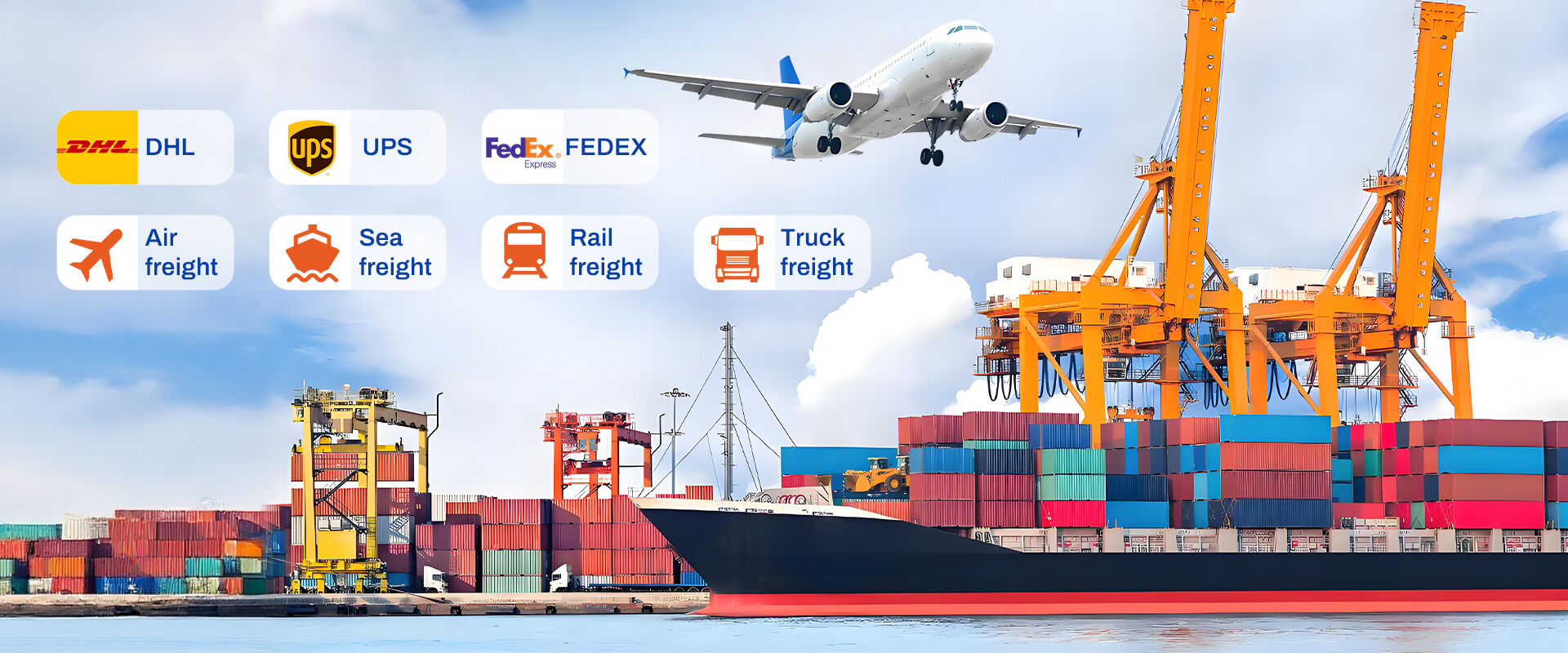
Why Real-Time Tracking Is Critical for China to USA Air Freight
Mitigating Delays and Improving Supply Chain Resilience
Real-time tracking transforms how businesses manage China-to-USA air freight—delivering instant visibility into shipment location and key transit milestones. This enables logistics teams to detect disruptions immediately—whether from weather, airport congestion, or customs bottlenecks—and activate contingency plans. For example, rerouting around a delayed hub like Anchorage can recover 2–3 days in transit. Proactive intervention prevents cascading impacts: warehouse scheduling conflicts, production line stoppages, and missed retail deadlines. Companies using live tracking report 30% fewer supply chain disruptions. That resilience is essential for time-sensitive cargo—including perishables, electronics, and seasonal goods—where delays directly erode margins. Real-time data also sharpens inventory planning, cutting excess stock and storage costs by up to 25%.
Meeting Customer Expectations in Cross-Pacific E-commerce
Today’s cross-border shoppers expect Amazon-level transparency—not just an estimated delivery date, but granular, automated updates at every stage: from pickup in Shanghai to US customs clearance. Real-time tracking delivers that confidence, reducing customer anxiety and post-purchase support inquiries by 40%. For fashion drops or tech launches, precise ETAs let buyers plan deliveries and reduce “where’s my order?” (WISMO) contacts. Brands offering this level of visibility see 22% higher repeat purchase rates. When delays occur, proactive notifications with revised ETAs preserve trust—turning potential dissatisfaction into a demonstration of reliability. In the competitive US e-commerce landscape, live tracking isn’t a luxury; it’s table stakes. Failure to provide it increases cart abandonment and fuels negative reviews.
Key Stages in the China to USA Air Freight Journey—and What Each Status Means
From Origin Scan to US Customs Clearance: Decoding Milestone Updates
Every China-to-USA air freight shipment follows a predictable sequence of operational milestones—each reflected in a standardized tracking status. The journey begins with an origin scan, typically at major Chinese export hubs like Shanghai Pudong or Shenzhen Bao’an, confirming carrier handoff. A subsequent departure scan signals aircraft loading, followed by in-transit updates during technical stops (e.g., Anchorage or Incheon). Upon arrival at a US gateway—such as Los Angeles (LAX), Chicago (ORD), or New York (JFK)—an import clearance scan initiates customs processing, which averages 24–48 hours for compliant shipments. Real-time visibility into these stages allows shippers to anticipate chokepoints: documentation reviews at LAX, agricultural inspections at Miami (MIA), or peak-season backlog at ORD.
Recognizing Red Flags: 'Held for Inspection', 'Pending Release', and Other Delay Indicators
Certain statuses signal immediate risk—and require swift action. 'Held for Inspection' often means a CBP physical or document exam, commonly triggered by incomplete commercial invoices, misclassified HS codes, or restricted items; resolution typically takes 3–10 days. 'Pending Release' indicates missing or discrepant paperwork—like a missing ISF filing or undelivered entry summary—requiring shipper input before customs will release the cargo. Other high-risk alerts include 'Awaiting Payment' (unpaid duties/taxes) and 'Weather Hold', especially at East Coast hubs during winter storms. Monitoring these indicators proactively reduces detention-related storage fees and cuts average resolution time by 40%.
Best Tools to Track China to USA Air Freight Accurately
Carrier Portals vs. Third-Party Platforms (e.g., AfterShip, 17Track)
Carrier-specific portals—like those from DHL, FedEx, or SF Express—offer accurate, real-time data but force users to log in across multiple systems, creating blind spots and inefficiency. Third-party platforms consolidate global carriers—including Chinese express couriers and regional air freight specialists—into a unified dashboard. A 2023 survey found shippers using such platforms reduced manual tracking time by 78% versus relying on individual carrier tools. Their advantages go beyond convenience:
- Automated exception alerts for customs holds, flight cancellations, or terminal transfers
- Multi-language status translations (e.g., Chinese-origin scans rendered in English)
- Historical analytics to identify recurring delays—like consistent 48-hour holds at JFK customs
When Free Tools Fall Short—and When Premium Features Add Real Value
Free trackers (e.g., basic 17Track or PackageTrackr) work for occasional, low-volume shipments—but lack predictive intelligence, API access, or audit-ready reporting. Premium solutions deliver measurable ROI when:
- Managing 500+ monthly shipments requiring system-to-system integration
- Operating during peak seasons (e.g., Q4 holiday rush or Chinese New Year) where customs congestion spikes
- Facing compliance requirements—like C-TPAT or FDA import records—that demand traceable, timestamped event logs
Businesses with complex trans-Pacific flows gain 30% improvement in delivery predictability through premium anomaly detection—especially critical when weather, labor actions, or CBP policy changes impact gateways like LAX or SEA.
Automating Visibility: Integrating China to USA Air Freight Tracking APIs
Use Cases for E-commerce Brands, 3PLs, and Freight Forwarders
API integration eliminates manual tracking and fragmented visibility—embedding live air freight data directly into existing business systems. For e-commerce brands, it powers automated customer notifications, dynamic delivery estimates in checkout, and self-service dashboards—reducing WISMO inquiries by up to 60%. Third-party logistics providers (3PLs) use APIs to unify tracking across dozens of carriers and forwarders, eliminating 15–20 weekly hours previously spent reconciling spreadsheets and emails. Freight forwarders automate milestone-triggered workflows: a ‘Held for Inspection’ alert can instantly notify compliance teams, pull supporting documents from ERP, and initiate a CBP liaison call—all before the first storage fee accrues. By syncing with WMS and TMS, APIs align inventory allocation with flight departures, cut documentation errors by up to 35%, and generate auditable, real-time event trails—turning reactive logistics into proactive supply chain orchestration.
FAQs
-
Why is real-time tracking important for China to USA air freight?
Real-time tracking helps businesses respond quickly to disruptions, improving delivery timelines, customer confidence, and inventory planning. -
What are the key milestones in a China-to-USA air freight shipment?
Milestones include origin scan, departure scan, transit updates, import clearance scan, and delivery to end customers. -
What are common delay indicators in air freight tracking?
Delays can include 'Held for Inspection', 'Pending Release', 'Awaiting Payment', and 'Weather Hold', which often require proactive actions to resolve. -
Are premium tracking solutions worth it?
Premium tracking tools provide features like predictive intelligence and API access, which are essential for managing high shipment volumes efficiently. -
How do APIs benefit air freight tracking?
APIs automate tracking, reduce manual input, power dynamic updates, and streamline workflows for brands, 3PLs, and freight forwarders.