 EN
EN

Understanding Brazilian Import Regulations for LED Displays
Navigating Brazil's import framework is essential for seamless LED display shipping. Key requirements center on ANATEL certification for communication-enabled displays and precise NCM classification for tax calculation. Non-compliance risks shipment seizures or 60% cost overruns from misclassified tariffs.
ANATEL Certification Requirements
Brazil's National Telecommunications Agency (ANATEL) mandates certification for LED displays with wireless, Bluetooth, or other radiofrequency capabilities. The process involves laboratory testing for RF interference compliance, technical documentation review (typically 8–12 weeks), and appointment of a local legal representative. Non-certified units face port confiscation and re-export orders. Budget for testing and certification fees at 15–20% of product cost—these are non-refundable and must be secured before shipment.
NCM Codes and Tax Classifications
Accurate Mercosur Common Nomenclature (NCM) coding determines your full tax liability. LED displays fall under distinct classifications depending on form and function:
| NCM Code | Product Type | Base II Duty |
|---|---|---|
| 8531.20.90 | LED modules | 14% |
| 8528.59.00 | Video walls | 16% |
Misclassification triggers ICMS recalculation—including up to 19% state VAT—and exposes importers to 30% administrative fines. Always verify codes against Brazil’s official SISCOMEX database pre-shipment; do not rely solely on HS code crosswalks or third-party lookup tools.
Shipping Methods and Logistics Options for LED Display Shipping to Brazil
Air Freight vs. Ocean Freight Trade-offs
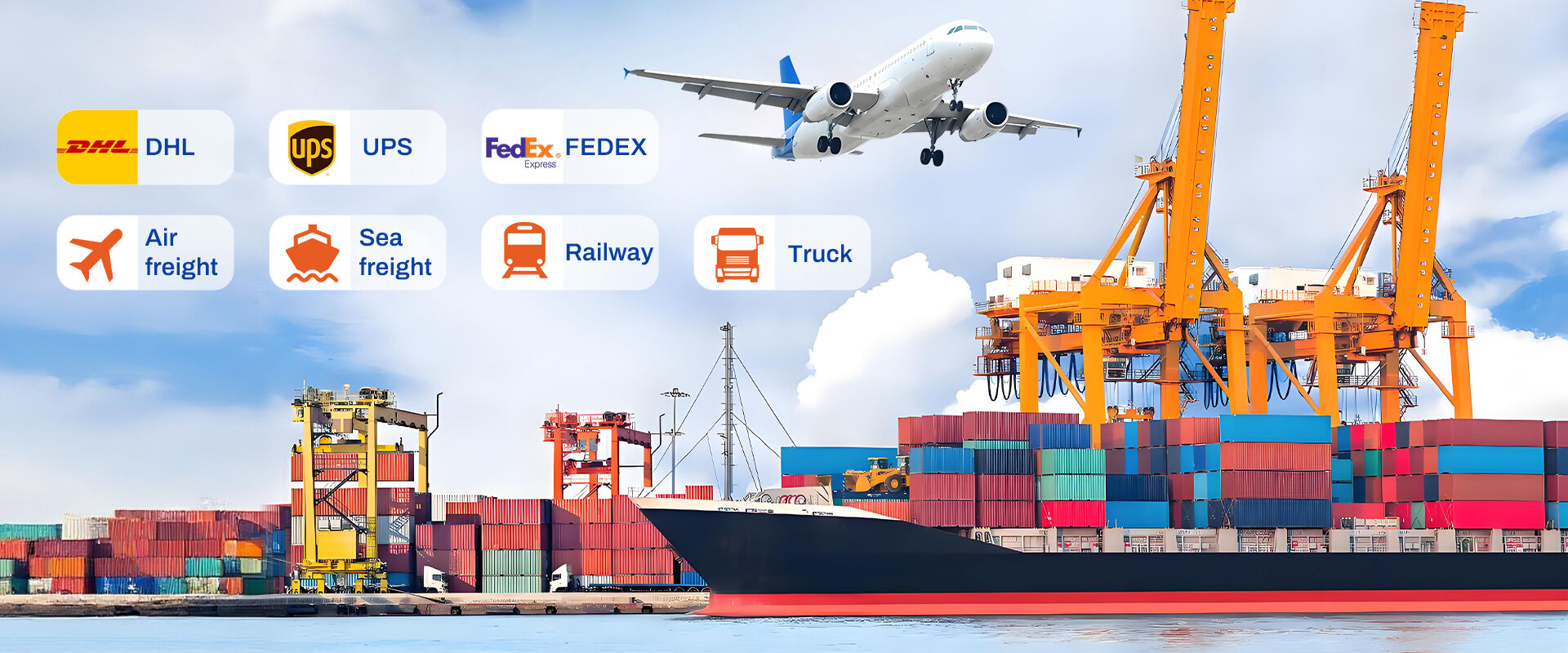
Selecting the optimal shipping method hinges on balancing urgency against budget and risk tolerance. Air freight delivers LED displays in 3–7 days but costs 3–4× more than ocean transport—making it ideal for time-sensitive installations, high-value prototypes, or urgent replacement modules. Ocean freight takes 30–35 days but remains the preferred option for 70% of bulk shipments due to cost efficiency and containerized protection. Modular or large-format displays benefit especially from ocean freight’s stable, climate-controlled container environments, while air shipments require certified shock-absorbent aviation cases and strict weight-distribution protocols.
Role of Customs Brokers and Local Fulfillment Partners
Brazil’s import bureaucracy demands specialized support. Licensed customs brokers pre-validate ANATEL certifications and NCM codes, reducing clearance delays by up to 40% (logistics benchmark data). Local fulfillment partners manage last-mile logistics—including storage in humidity- and temperature-controlled warehouses—and handle state-specific ICMS filings and audits. Critically, they also perform mandatory power cycling and burn-in tests before release—required for all LED video walls under Brazil’s INMETRO-aligned quality guidelines. This integrated partnership prevents port congestion penalties averaging $185/day (2023 industry reports) and avoids costly demurrage or storage surcharges.
Cost Breakdown: Duties, Taxes, and Hidden Fees in LED Display Shipping to Brazil
II, IPI, PIS, COFINS, and ICMS Explained
Importing LED displays into Brazil requires navigating a multi-layered, cumulative tax structure. The Import Duty (II) applies to the CIF value and typically ranges from 0–18% for electronics. Industrialized Products Tax (IPI) adds 5–15%, depending on display type and national industrial policy incentives. Social contributions PIS and COFINS combine for a flat 9.25%, while the state-level ICMS (Tax on Circulation of Goods and Services) averages 17–19%—but varies by destination state and is calculated on the sum of CIF + II + IPI + PIS/COFINS. This cascading effect significantly inflates final landed cost.
| Cost Component | Calculation Basis | Estimated Rate |
|---|---|---|
| II (Import Duty) | CIF Value | 14% |
| IPI | CIF + II | 10% |
| PIS/COFINS | CIF + II + IPI | 9.25% |
| ICMS | CIF + II + IPI + PIS/COFINS | 18% |
Estimating Total Landed Cost (TLC)
To avoid budget overruns, calculate TLC by aggregating:
- Product cost (FOB value)
- Logistics fees (freight, insurance, THC, port storage)
- Taxes (II, IPI, PIS, COFINS, ICMS)
- Hidden charges (customs broker fees, ANATEL validation, power cycling, humidity-controlled warehousing)
For a $10,000 LED display shipment, taxes alone can add 38–60% ($3,800–$6,000), with ICMS variability being the largest wildcard. Unanticipated fees cause 27% of shipments to exceed budgets by over 15% (Logistics Journal 2023). Always request a preliminary customs assessment from a Brazil-based agent before shipment—and partner with logistics providers who offer transparent, line-item TLC modeling grounded in real-time SISCOMEX and SEFAZ data.
Best Practices to Avoid Delays and Ensure Smooth LED Display Delivery to Brazil
Documentation Checklist: Commercial Invoice, Packing List, and Certificates
Accurate, consistent, and complete documentation is non-negotiable. Your commercial invoice must specify product value, correct NCM code (not just HS), INCOTERMS (e.g., DAP São Paulo), and full importer/exporter details including CPF/CNPJ. Include a detailed packing list showing gross/net weight, dimensions per module, pallet configuration, and total carton count. For LED displays, attach original ANATEL certification (with valid certificate number and scope), declaration of conformity, and—if applicable—INMETRO-recognized test reports. Inconsistencies between documents trigger automatic holds; Brazilian customs rejects 34% of shipments for incomplete or mismatched paperwork (World Bank 2023).
Partnering with Experienced Brazil-Focused Freight Forwarders
Work exclusively with freight forwarders specializing in Brazilian electronics imports—not generalist global carriers. They understand terminal handling charges (THC), port storage escalation clauses, and regional variations in inspection rigor (e.g., Santos’ stricter ANATEL verification vs. Paranaguá’s focus on ICMS alignment). These partners pre-clear shipments using validated Brazilian tax IDs, coordinate with local ANATEL-accredited labs, and route through ports aligned with your fulfillment partner’s warehouse network. Their expertise reduces average clearance time from 10–14 days to under 72 hours—eliminating demurrage exposure and ensuring modules meet mandatory pre-installation power cycling and thermal stability requirements.
FAQ
Do all LED displays require ANATEL certification when imported to Brazil?
No, ANATEL certification is mandatory only for LED displays with wireless, Bluetooth, or other radiofrequency capabilities.
How can I accurately classify LED displays under Brazil's NCM codes?
You should verify NCM codes against Brazil's SISCOMEX database and not rely solely on HS code crosswalks or third-party lookup tools.
What shipping method is best for LED displays to Brazil?
Air freight is ideal for urgent modules or prototypes while ocean freight is preferred for bulk shipments or large-format displays due to cost-efficiency.
What taxes apply to importing LED displays into Brazil?
The main taxes include Import Duty (II), Industrialized Products Tax (IPI), social contributions (PIS/COFINS), and the state-level ICMS.
What documents are crucial for smooth customs clearance in Brazil?
Required documents include a complete commercial invoice, detailed packing list, ANATEL certification, and relevant test reports.
Table of Contents
- Understanding Brazilian Import Regulations for LED Displays
- Shipping Methods and Logistics Options for LED Display Shipping to Brazil
- Cost Breakdown: Duties, Taxes, and Hidden Fees in LED Display Shipping to Brazil
- Best Practices to Avoid Delays and Ensure Smooth LED Display Delivery to Brazil
-
FAQ
- Do all LED displays require ANATEL certification when imported to Brazil?
- How can I accurately classify LED displays under Brazil's NCM codes?
- What shipping method is best for LED displays to Brazil?
- What taxes apply to importing LED displays into Brazil?
- What documents are crucial for smooth customs clearance in Brazil?