 EN
EN

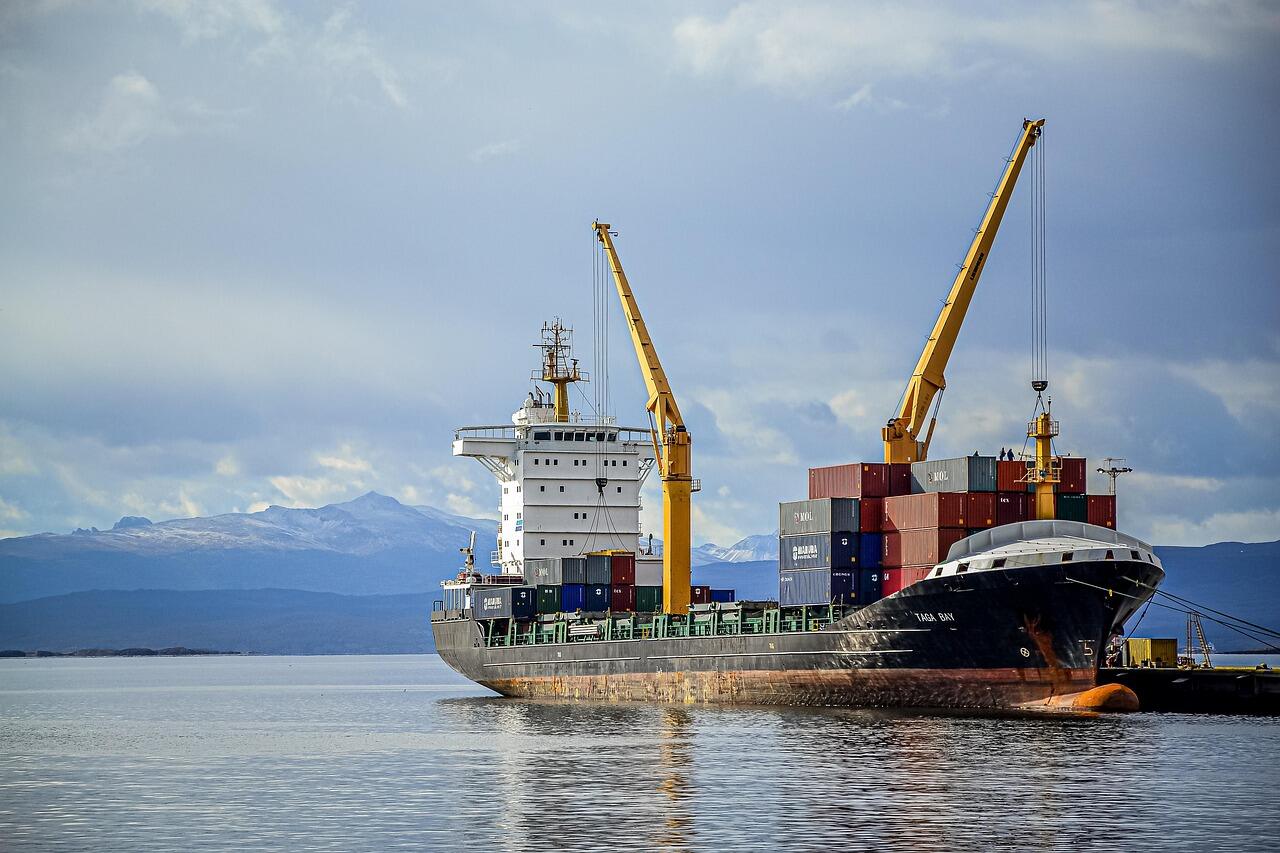
Chinese New Year: The Critical Disruption Window for Door to Door Shipping China to Brazil
Production Halts, Customs Backlogs, and Carrier Capacity Crunch
Chinese New Year triggers a 2–3 week shutdown across manufacturing hubs—halting production while pre-holiday export volumes surge 40–60%. This creates a triple bottleneck: factories close, Chinese customs offices face document backlogs exceeding 7 business days, and ocean carriers reduce vessel space allocation to manage equipment imbalances. The resulting capacity shortage pushes freight rate premiums to 25–35% for guaranteed bookings, with air cargo alternatives costing 4–5 times more. Businesses shipping during this window require 8–10 weeks of buffer time solely for China-origin processing before goods even depart for Brazil.
Extended Transit Times: 30–45+ Days to East Coast Brazil Ports
Maritime transit suffers pronounced delays: vessel bunching at Chinese ports adds 5–7 days to departure schedules, while Brazilian port labor shortages compound arrival congestion. Santos and Rio de Janeiro terminals face berthing queues of 8–12 days during CNY fallout—stretching typical 25-day voyages to 30–45+ days for East Coast destinations. Final-mile distribution incurs additional 72-hour holdups due to customs inspection bottlenecks, slashing end-to-end reliability to below 60%, compared to 85–90% in off-peak months.
Peak Season (July–October): Balancing Cost and Consistency in Door to Door Shipping China to Brazil
Freight Rate Volatility: +35% Average Surge Driven by E-commerce Demand
July to October brings intense pressure on door-to-door shipping from China to Brazil, with freight rates spiking an average of 35%. Surging e-commerce demand ahead of Brazil’s holiday season strains carrier capacity, triggering bidding wars for container space. As confirmed by the World Shipping Council’s 2023 Global Container Trade Report, this period consistently records the steepest cost increases globally. Mitigate exposure by booking 6–8 weeks early and consolidating shipments—strategies widely adopted by Tier-1 retailers managing seasonal inventory cycles.
Stable Transit Durations (30–35 Days) Despite Volume Pressure
Transit times remain remarkably stable at 30–35 days to major Brazilian hubs like Santos—even amid volume pressure. Carriers deploy extra vessels and optimize routing to offset congestion, preserving door-to-door reliability. While Chinese ports experience temporary slowdowns, Brazilian customs clearance operates at normal capacity. This consistency supports precise inventory planning—especially critical for time-sensitive categories like consumer electronics and fast-fashion apparel.
Secondary Holiday Risks: Brazil Carnival and Golden Week Impacts on Door to Door Shipping China to Brazil
Port Congestion in Santos and Rio de Janeiro: 2–5 Day Last-Mile Delays
Brazil’s Carnival (February/March) and China’s Golden Week (October 1–7) create overlapping disruptions that cripple port efficiency. During Golden Week, Chinese factory closures halt manufacturing output for 7–10 days—triggering pre-holiday shipping rushes that overwhelm Brazilian infrastructure. Santos—handling 33% of Brazil’s container traffic—and Rio de Janeiro suffer up to a 40% drop in terminal efficiency during these events. The ripple effects include:
- Carrier equipment shortages at origin due to container imbalances
- Customs clearance delays from staff shortages during Carnival
- Terminal congestion extending dwell times by 2–5 days beyond schedule
Logistics providers including Maersk and MSC report cargo rollover rates surging to 25% during peak overlaps. For door-to-door shipping China to Brazil, this translates to 11–14 day port-to-door transit times, versus the standard 6–9 days. Shippers should book space 4–6 weeks pre-holiday, pad delivery timelines by one week, and prioritize all-water routes to avoid air freight volatility.
The Optimal Shipping Window: November–June (Excluding CNY) for Reliable Door to Door Shipping China to Brazil
Prioritizing shipments between November and June—excluding the Chinese New Year period—is the most effective strategy to secure cost-efficient and predictable door-to-door shipping from China to Brazil. During this extended 7-month window, freight rates stabilize as global demand softens post-peak season and ahead of Q3 holiday surges. Logistics providers typically deliver transit times of 28–32 days to major Brazilian hubs like Santos, with markedly lower congestion at Chinese origin ports and reduced weather-related delays along the Asia–South America corridor. Crucially, this period avoids the severe capacity constraints and manufacturing halts of Chinese New Year—enabling shippers to lock in carrier allocations at rates 30–40% below July–October peak pricing, per data from Drewry’s 2024 Ocean Freight Index. For businesses prioritizing supply chain reliability, aligning shipments with this window minimizes both last-mile disruptions in Brazil and unexpected surcharges.
FAQ
Why does the Chinese New Year impact door-to-door shipping from China to Brazil?
During Chinese New Year, factories close for 2–3 weeks, customs clearance faces backlogs, and ocean carriers reduce vessel space allocations, leading to production halts and capacity shortages.
How can businesses mitigate delays during the peak shipping season?
To mitigate delays, businesses should book container space 6–8 weeks early, consolidate shipments, and prioritize inventory planning strategies.
What are the typical transit times during non-peak periods?
Transit times from China to Brazil during non-peak periods typically range from 28–32 days to major ports such as Santos.
How does Brazil's Carnival and China's Golden Week disrupt shipping schedules?
Both events create port congestion and customs delays due to staff shortages and increased shipment volumes, resulting in extended dwell times and shipment rollover rates.
What is the most cost-effective shipping window from China to Brazil?
The most cost-effective shipping window is between November and June, excluding Chinese New Year, when freight rates stabilize and disruptions are minimized.
Table of Contents
- Chinese New Year: The Critical Disruption Window for Door to Door Shipping China to Brazil
- Peak Season (July–October): Balancing Cost and Consistency in Door to Door Shipping China to Brazil
- Secondary Holiday Risks: Brazil Carnival and Golden Week Impacts on Door to Door Shipping China to Brazil
- The Optimal Shipping Window: November–June (Excluding CNY) for Reliable Door to Door Shipping China to Brazil
-
FAQ
- Why does the Chinese New Year impact door-to-door shipping from China to Brazil?
- How can businesses mitigate delays during the peak shipping season?
- What are the typical transit times during non-peak periods?
- How does Brazil's Carnival and China's Golden Week disrupt shipping schedules?
- What is the most cost-effective shipping window from China to Brazil?