Washington, Oct. 1, 2025 — The U.S. government has officially shut down after Congress failed to agree on a funding bill, triggering furloughs for hundreds of thousands of federal employees and requiring many others to work without pay. For the logistics and supply chain industry, the consequences are already emerging, threatening to disrupt a network that relies on seamless coordination between public agencies and private enterprises.
Ports and Customs
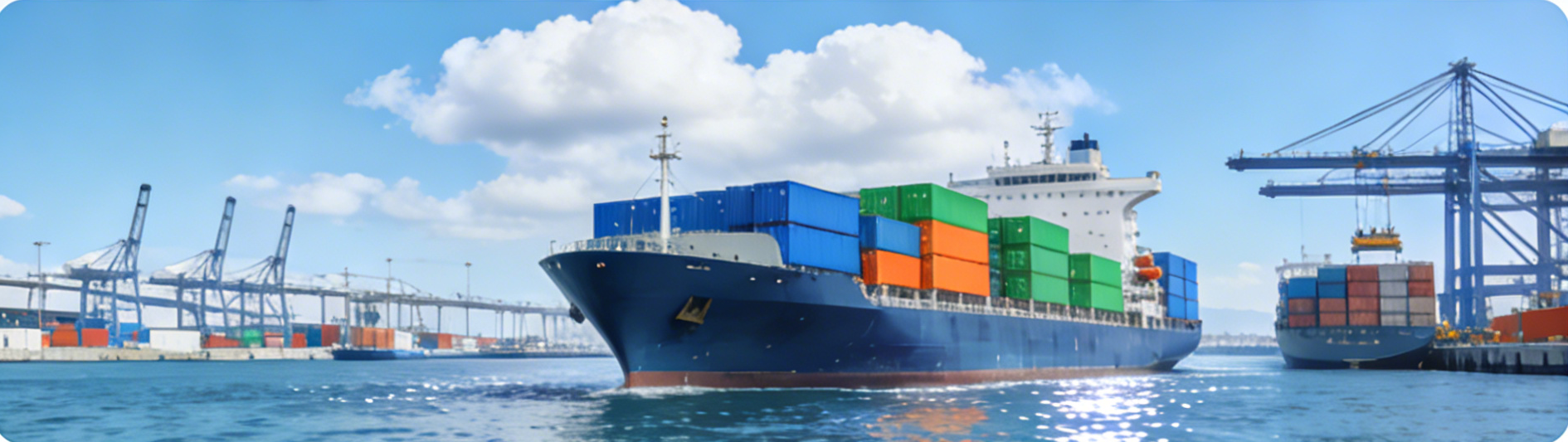
Customs and Border Protection officers remain on duty, but thousands of support staff are furloughed. That means cargo continues moving through ports and airports, yet documentation and inspections are expected to slow to a crawl, creating bottlenecks that will ripple across global trade routes. During the 2018–2019 shutdown, shipment dwell times at the Port of Los Angeles-Long Beach rose by 15 to 20 percent, a warning sign of the chaos that could unfold if the impasse drags on. Importers of perishables and pharmaceuticals face particular risk if staff shortages stretch clearance times; delays here could lead to spoiled goods, expired medications, and significant financial losses for businesses and public health risks for consumers. Ports from Seattle to New York have pledged to remain operational, but officials warn that unpaid federal staff and processing delays could create ripple effects that extend far beyond U.S. borders, affecting suppliers in Asia, Europe, and Latin America that depend on timely access to American markets.
Trucking and Rail
Trucking firms may continue hauling freight, but permitting, compliance reviews, and background checks for drivers are paused indefinitely. This creates challenges for companies onboarding new drivers or expanding fleets at a time when the industry is already grappling with a persistent labor shortage. Without timely approvals, carriers will struggle to scale their operations to meet demand, leading to higher shipping costs and longer delivery windows for manufacturers and retailers alike. Railroads will continue running, though customs bottlenecks at U.S.-Mexico and U.S.-Canada crossings could affect cross-border supply chains that move billions of dollars in goods each year. From automotive parts to agricultural commodities, products that rely on cross-border rail networks are now at risk of being stranded at checkpoints, disrupting production schedules and leaving store shelves understocked.
Air Cargo
The FAA is keeping air traffic controllers on duty, but new certifications for aircraft, pilots, and safety procedures are frozen, a move that could hamper the ability of air cargo carriers to expand their fleets or adopt new technologies to improve efficiency. TSA officers screening cargo at major hubs like Memphis and Louisville remain on the job without pay, raising concerns about morale and absenteeism. In the 2018–2019 shutdown, unpaid TSA staff shortages led to longer lines and delays; this time around, the stakes are even higher, as e-commerce and just-in-time manufacturing models have made air cargo a critical lifeline for businesses that need to move high-value, time-sensitive goods quickly.
Warehousing
Warehouses and distribution centers are indirectly affected by the shutdown, caught in the crossfire between port delays and transportation bottlenecks. When port slowdowns reduce inflows, facilities sit underutilized, wasting space and driving up storage costs for operators. When backlogs finally clear, they face sudden surges that strain labor scheduling and inventory management systems, leading to errors in order fulfillment and frustrated customers. Retailers’ strict delivery standards increase the cost pressure on logistics providers caught in the middle, who are forced to absorb additional expenses or pass them on to consumers in the form of higher prices.
Essential vs. Furloughed
The divide between essential and furloughed workers highlights the fragility of the supply chain ecosystem. Essential federal workers, including CBP officers, TSA screeners, Coast Guard staff, and FAA controllers, continue working but without pay until funding resumes, a situation that risks burnout and high turnover as the shutdown drags on. Furloughed staff include customs auditors, inspectors, and administrators, creating bottlenecks where the private sector depends on federal oversight. Without these key personnel, businesses are left in limbo, unable to resolve compliance issues or obtain the approvals needed to keep goods moving.
Broader Outlook
The shutdown follows a funding standoff between Republicans, who want a temporary extension of spending, and Democrats, who are demanding health care subsidies be included in the bill. Neither side has signaled compromise, raising fears that the shutdown could last for weeks or even months. Markets are already reacting: U.S. stock futures dipped, the dollar weakened, and gold prices hit record highs as investors looked for stability amid the uncertainty. Analysts warn that the longer the shutdown lasts, the more severe the impact on logistics and the wider economy, with small businesses and workers in the transportation sector likely to bear the brunt of the pain.
For now, cargo is still moving, planes are flying, and trains are running. But each day the shutdown continues increases delays, costs, and uncertainty across the supply chain, threatening to derail the fragile recovery of the global logistics industry and disrupt the lives of millions of people who depend on it for their livelihoods.
Copyright © 2026 by Bingo International Freight Ltd. — Privacy Policy
 EN
EN